

The text
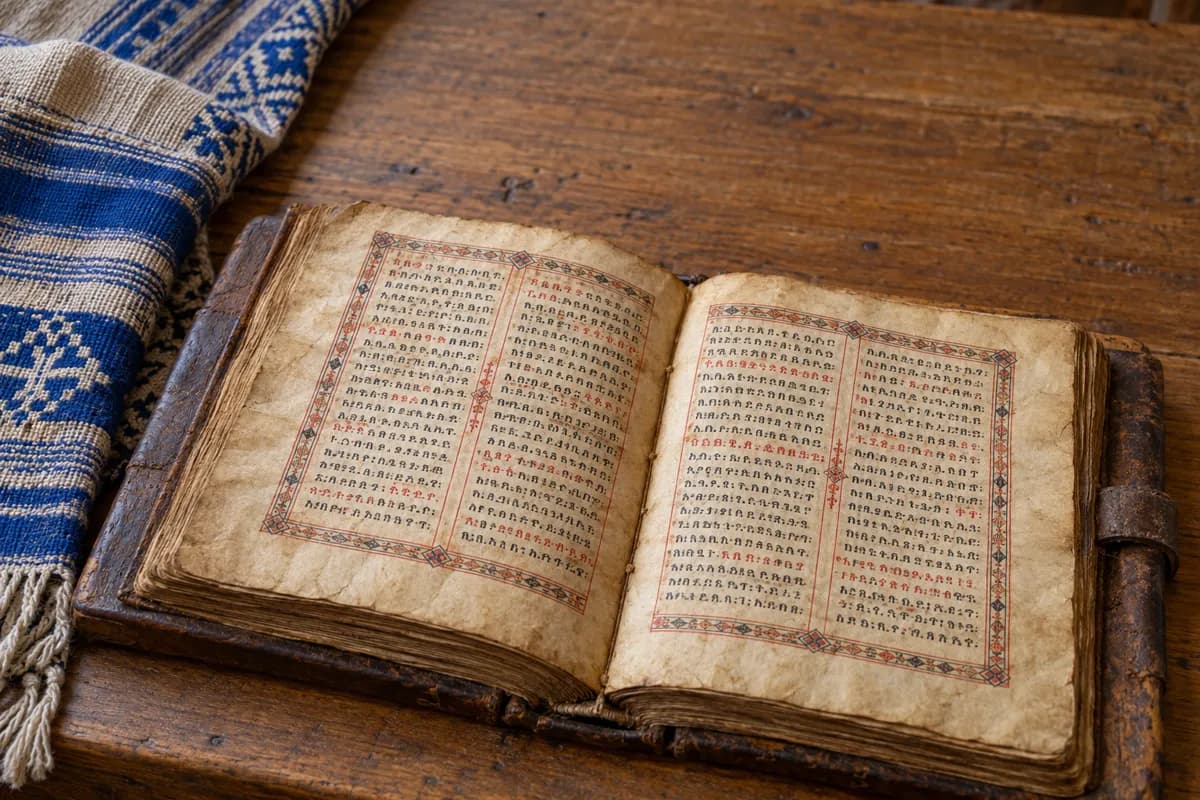
Layer 1 · Original language firstThe scholarship
Layer 2 · From the published baseline“In two natures, without confusion, without change, without division, without separation.”
The Council of Chalcedon met from 8 October to 1 November 451 and approved this definition on 22 October[5]. Most later statements on the person of Christ are written with it in view.
The traditions
Layer 3 · Each from its own statementsRoman Catholic
One divine person in two natures; the human nature “assumed, not absorbed”.[6]
Catechism 464 to 483 · 1992Eastern Orthodox
One hypostasis in two natures, with two wills and two operations.[7]
Constantinople III · 680 to 681Oriental Orthodox
“One nature of God the Word incarnate”, the natures distinct in thought alone.[8]
Chambésy statement · 1990Assyrian Church of the East
Two natures and two qnome in one person (parsopa).[9]
Babai, Book of the Union · c. 600Lutheran
One person in two natures, with a real communication of attributes.[10]
Formula of Concord, SD VIII · 1577Reformed
Two distinct natures in one person, each acting as proper to itself.[11]
Westminster Confession 8 · 1646Anglican
Godhead and manhood joined in one Person, never to be divided.[12]
Thirty-Nine Articles II · 1571Baptist
Two natures in one person “without conversion, composition, or confusion”.[13]
Second London Confession 8 · 1689
Eight of the traditions in the study are shown. The full topic covers the rest, each from its own statements.
The change log
Layer 4 · Public and dated| Date | Version | Change | Reviewed by |
|---|---|---|---|
| [Date] | v1.0 | Topic published from the baseline | [Reviewer names] |
| [Date] | v1.1 | Contribution accepted: [summary] | [Reviewer names] |
| [Date] | v1.2 | Correction upheld: [summary] | [Reviewer names] |
Roman Catholic
One divine person in two natures; the human nature “assumed, not absorbed”.
Catechism 464 to 483 · 1992Source 6Eastern Orthodox
One hypostasis in two natures, with two wills and two operations.
Constantinople III · 680 to 681Source 7Oriental Orthodox
“One nature of God the Word incarnate”, the natures distinct in thought alone.
Chambésy statement · 1990Source 8Assyrian Church of the East
Two natures and two qnome in one person (parsopa).
Babai, Book of the Union · c. 600Source 9Lutheran
One person in two natures, with a real communication of attributes.
Formula of Concord, SD VIII · 1577Source 10Reformed
Two distinct natures in one person, each acting as proper to itself.
Westminster Confession 8 · 1646Source 11Anglican
Godhead and manhood joined in one Person, never to be divided.
Thirty-Nine Articles II · 1571Source 12Baptist
Two natures in one person “without conversion, composition, or confusion”.
Second London Confession 8 · 1689Source 13Roman Catholic
One divine person in two natures; the human nature “assumed, not absorbed”.
Catechism 464 to 483 · 1992Source 6Eastern Orthodox
One hypostasis in two natures, with two wills and two operations.
Constantinople III · 680 to 681Source 7Oriental Orthodox
“One nature of God the Word incarnate”, the natures distinct in thought alone.
Chambésy statement · 1990Source 8Assyrian Church of the East
Two natures and two qnome in one person (parsopa).
Babai, Book of the Union · c. 600Source 9Lutheran
One person in two natures, with a real communication of attributes.
Formula of Concord, SD VIII · 1577Source 10Reformed
Two distinct natures in one person, each acting as proper to itself.
Westminster Confession 8 · 1646Source 11Anglican
Godhead and manhood joined in one Person, never to be divided.
Thirty-Nine Articles II · 1571Source 12Baptist
Two natures in one person “without conversion, composition, or confusion”.
Second London Confession 8 · 1689Source 13Side by side shows the text and the scholarship once, beside the two traditions you choose. Every statement is drawn from that tradition’s own text, with its source.